
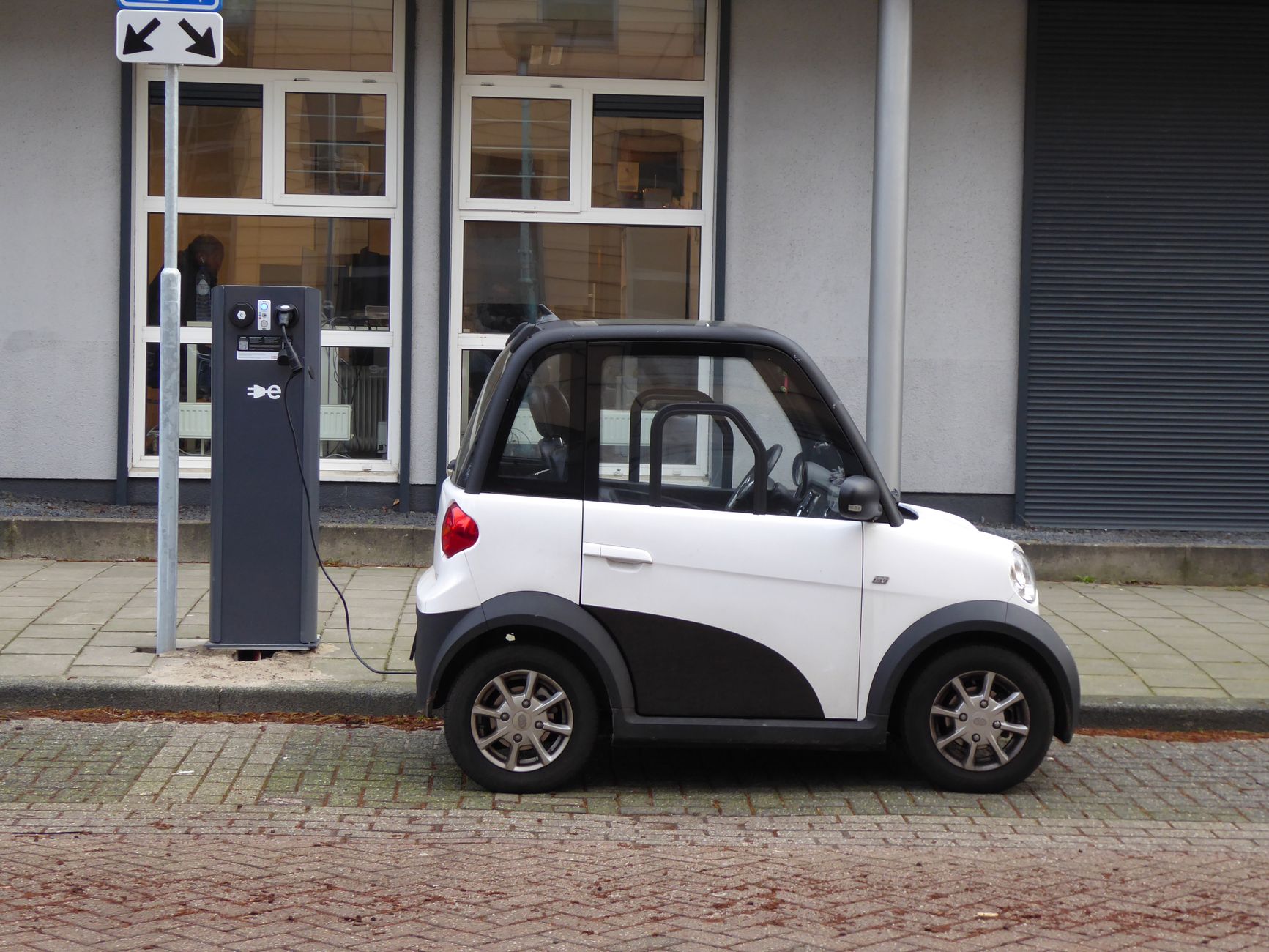
The different kind of electric car is reshaping the automotive landscape. Automakers are increasingly investing in Extended Range Electric Vehicles (EREVs) to meet consumer demands for efficiency and performance.
What is an EREV?
Electric vehicles have evolved significantly, leading to the introduction of various types. One notable example is the Extended Range Electric Vehicle (EREV), which offers a unique approach to electric mobility. Unlike traditional electric cars that rely solely on batteries, EREVs combine electric propulsion with a small internal combustion engine.
The primary function of the combustion engine in an EREV is to generate electricity, extending the vehicle’s range beyond typical battery limits. This hybrid design provides several advantages:
- Increased Range: EREVs can travel longer distances without the constant need for recharging, making them suitable for long trips.
- Reduced Range Anxiety: Drivers can feel more confident knowing that a gasoline engine can kick in when the battery runs low, alleviating concerns about finding charging stations.
- Efficiency: The electric motor provides instantaneous torque, ensuring a smooth and efficient driving experience while the engine operates at optimal efficiency when needed.
As automakers explore a different kind of electric car, the EREV stands out as a smart choice for those seeking flexibility and convenience in their daily commute. With advancements in technology, these vehicles are becoming an increasingly popular option for environmentally conscious consumers who also value practicality.
Benefits of Extended Range Vehicles
The growing popularity of electric vehicles has led to the emergence of a different kind of electric car known as Extended Range Electric Vehicles (EREVs). These innovative cars offer a unique set of benefits that appeal to a broad range of consumers.
One of the primary advantages of EREVs is their ability to alleviate range anxiety. Unlike traditional electric vehicles that rely solely on battery power, EREVs come equipped with a gasoline engine that functions as a generator when the battery is depleted. This dual-powertrain system allows drivers to travel further without the fear of being stranded without a charging station.
In addition to extended range, EREVs provide enhanced fuel efficiency. By using electric power for short trips and resorting to gasoline for longer journeys, owners can enjoy significant savings on fuel costs over time. This hybrid-like approach maximizes the benefits of electric driving while minimizing the environmental impact.
Moreover, EREVs often come with advanced technology features, including regenerative braking and smart energy management systems. These features not only improve performance but also contribute to a more sustainable driving experience.
In summary, the different kind of electric car represented by EREVs offers practical solutions for modern drivers. With their extended range, fuel efficiency, and cutting-edge technology, EREVs are positioned as a smart choice for the future of sustainable transportation.
Automaker Strategies for EREVs
As the automotive industry evolves, automakers are increasingly focusing on the development of Extended Range Electric Vehicles (EREVs). These vehicles represent a different kind of electric car that combines the advantages of electric driving with the convenience of a gasoline engine. This dual approach allows drivers to enjoy longer trips without the anxiety of running out of battery power.
Many manufacturers are adopting unique strategies to enhance their EREV offerings. Some key strategies include:
- Innovative Battery Technology: Automakers are investing in advanced battery systems that allow for quicker charging and increased efficiency. This innovation ensures that EREVs can travel longer distances on electric power alone.
- Partnerships with Charging Networks: Collaborations with charging infrastructure companies are becoming common. These partnerships aim to expand charging stations, making it easier for EREV owners to recharge their vehicles.
- Focus on Sustainability: Many brands are committed to using eco-friendly materials in vehicle production, aligning their practices with environmental goals and appealing to eco-conscious consumers.
- Consumer Education: Automakers are actively engaging in campaigns to educate potential buyers about the benefits of EREVs, emphasizing their versatility and efficiency compared to traditional electric vehicles.
As the demand for more sustainable transportation options grows, these strategies position EREVs as a smart choice for the future of electric mobility.
Consumer Reactions to New Electric Cars
As the automotive industry continues to evolve, consumer reactions to the new electric cars, particularly Extended Range Electric Vehicles (EREVs), have been largely positive. Many drivers appreciate the innovative technology that addresses common range anxiety issues associated with traditional electric cars.
Surveys indicate that consumers are particularly drawn to the practicality and versatility offered by EREVs. Key factors influencing their enthusiasm include:
- Range Flexibility: Many drivers express relief that EREVs can seamlessly transition between electric and gasoline power, allowing for longer trips without the constant need to recharge.
- Environmental Impact: A significant number of consumers are motivated by the lower carbon footprint associated with electric vehicles, and EREVs provide a compelling compromise for those still reliant on fossil fuels.
- Cost Efficiency: With rising fuel prices, consumers appreciate the potential savings associated with using electric power, even if they occasionally need to use gasoline.
- Technological Features: The advanced technology integrated into these vehicles, such as regenerative braking and smart charging options, has also garnered attention and praise from tech-savvy drivers.
Overall, the shift towards a different kind of electric car seems to resonate well with contemporary consumer values, highlighting the importance of adaptability and sustainability in the future of transportation.
The Future of Electric Vehicles
The future of electric vehicles is evolving rapidly as automakers embrace a different kind of electric car: the Extended Range Electric Vehicle (EREV). This innovative vehicle type combines the best features of traditional electric cars with the practicality of a gasoline engine, offering consumers a unique solution to range anxiety and charging infrastructure challenges.
As advancements in battery technology continue, EREVs are designed to provide an all-electric driving experience while seamlessly transitioning to a gasoline generator when the battery is depleted. This dual functionality allows drivers to enjoy the benefits of electric driving without the limitations often associated with standard electric vehicles.
Industry experts predict that the EREV could redefine consumer preferences, making electric vehicles more accessible to a broader audience. The versatility of these cars aligns with shifting consumer attitudes towards sustainability and efficiency, appealing to those who may have previously hesitated to switch from traditional combustion engines.
Moreover, the introduction of EREVs is not just about minimizing environmental impact; it also reflects a strategic pivot in the automotive industry. By focusing on a different kind of electric car, automakers are positioning themselves to cater to a diverse range of driving needs while staying competitive in a rapidly changing market.
As we look ahead, the success of EREVs may mark a significant chapter in the evolution of electric vehicles, paving the way for smarter and more sustainable transportation solutions.
The different kind of electric car offers innovative features that cater to diverse consumer needs. As technology advances, the different kind of electric car is becoming an increasingly popular choice for eco-conscious drivers.
Photo by Timothy Huliselan on Pexels