
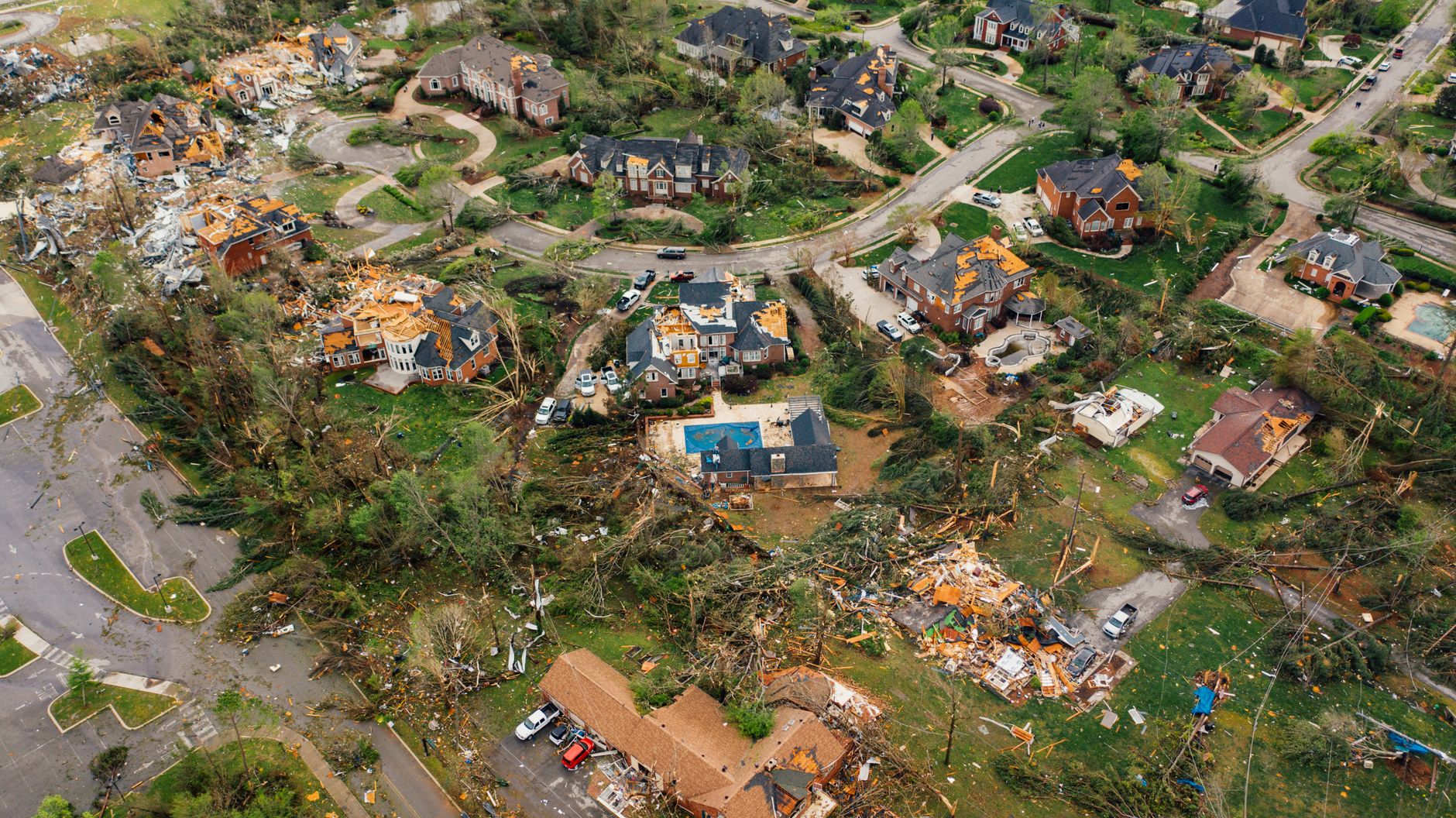
Storm aftermath tornadoes have left a trail of destruction across Seneca, Niagara, Genesee, and Orleans counties. The National Weather Service has confirmed multiple tornadoes, prompting urgent recovery efforts.
What caused the recent tornadoes?
The recent tornadoes that swept across areas including Seneca, Niagara, Genesee, and Orleans counties were caused by a combination of climatic factors. Meteorologists indicate that a potent storm system moved through the region, creating the ideal conditions for tornado formation.
Several elements contributed to the severity of the storms:
- Warm, moist air: This type of air, which typically originates from the Gulf of Mexico, was drawn into the region, providing the fuel needed for severe thunderstorms.
- Cold front: The collision of the warm air with a cold front created instability in the atmosphere, a crucial factor in tornado development.
- Wind shear: Variations in wind speed and direction at different altitudes helped to organize the storms, allowing them to rotate and potentially spawn tornadoes.
As communities begin to assess the storm aftermath, tornadoes are being recognized as a significant factor in the widespread damage reported in the affected areas. Understanding what caused these tornadoes can aid in future preparedness and response strategies.
How did the storm impact local communities?
The recent storm aftermath has left a significant mark on local communities across several counties. Residents of Seneca, Niagara, Genesee, and Orleans are grappling with the devastating impacts caused by the tornadoes that swept through the region.
Many families are facing immediate challenges as they work to recover from the destruction. The following are some of the key impacts observed:
- Property Damage: Homes and businesses have suffered extensive damage, with many structures deemed uninhabitable. Residents are now seeking shelter and assistance.
- Access to Resources: Essential services such as electricity and water have been disrupted, complicating recovery efforts. Many areas remain without power, hindering communication and access to necessary resources.
- Emotional Toll: The psychological impact on the community cannot be underestimated. Many individuals are experiencing anxiety and trauma due to the sudden nature of the storm aftermath tornadoes.
- Community Response: Local organizations and volunteers have mobilized to provide support, offering food, shelter, and emotional counseling to those affected.
The road to recovery will be long, but the resilience of the affected communities shines through in their response to this disaster.
Recovery efforts in affected counties
In the wake of the recent devastating storm aftermath tornadoes, recovery efforts are underway in the counties most affected, including Seneca, Niagara, Genesee, and Orleans. Local authorities and organizations are mobilizing resources to assist residents in rebuilding their lives.
Efforts include:
- Emergency shelters: Temporary accommodations have been set up for those who lost their homes, providing essential needs such as food, clothing, and medical assistance.
- Community support: Local volunteers and organizations are coming together to offer emotional and physical support, helping families navigate the recovery process.
- Infrastructure repair: Crews are working tirelessly to restore essential services, including electricity, water, and transportation networks, allowing residents to return to some semblance of normalcy.
- Financial assistance: Various aid programs are being implemented to provide financial relief to families and businesses affected by the tornadoes, ensuring they can begin to rebuild.
As the recovery efforts continue, community leaders emphasize the importance of collaboration and resilience. The impacts of the storm aftermath tornadoes will be felt for a long time, but the strength of the community shines through in these challenging times.
Safety tips for future storms
As communities begin to recover from the storm aftermath tornadoes, it is crucial to prepare for future weather events. Implementing safety measures can significantly reduce risks and enhance resilience during such crises. Here are some essential tips to consider:
- Stay Informed: Regularly check local weather updates and alerts from the National Weather Service (NWS) to stay aware of any impending storms.
- Create an Emergency Plan: Develop a family emergency plan that includes communication strategies, evacuation routes, and a designated meeting place.
- Build an Emergency Kit: Assemble a kit containing essential items such as water, non-perishable food, flashlights, batteries, and first aid supplies to sustain your family during a storm.
- Identify Shelter Locations: Know where the safest places in your home are, such as basements or interior rooms away from windows. Familiarize yourself with public shelters if evacuation is necessary.
- Practice Drills: Conduct regular drills with your family to ensure everyone knows what to do when severe weather strikes.
By taking these proactive steps, residents can better prepare for future storms and mitigate the potential impacts of storm aftermath tornadoes.
NWS tornado confirmation details
The National Weather Service (NWS) has confirmed multiple tornadoes in the aftermath of the recent storm that swept through western New York. The tornadoes were reported across several counties, including Seneca, Niagara, Genesee, and Orleans.
The details of the tornado confirmations are as follows:
- Seneca County: A tornado touched down near the town of Waterloo, causing significant damage to homes and uprooting trees.
- Niagara County: Reports indicated a tornado impacted areas around Lockport, where winds reached estimated speeds of 110 mph, damaging buildings and power lines.
- Genesee County: A confirmed tornado was reported in the Batavia area, leading to localized flooding and debris scattered across roadways.
- Orleans County: The tornado that struck this region resulted in extensive agricultural damage, affecting local farms and crops.
In the wake of these storm aftermath tornadoes, the NWS continues to assess the full extent of the damage and provide support to affected communities. Emergency services are working tirelessly to restore power and clear debris, ensuring safety for all residents in the impacted areas.
Community response and support initiatives
In the wake of the devastating storm aftermath tornadoes, local communities have come together to provide support and assistance to those affected. Various initiatives have been launched to ensure that residents can recover and rebuild their lives.
Community response efforts include:
- Local shelters: Temporary housing has been established in community centers and schools to accommodate displaced families.
- Food drives: Organizations are collecting non-perishable food items, which are distributed to those in need.
- Volunteers: Residents are stepping up to help with cleanup efforts, offering their time and resources to assist neighbors.
- Fundraising events: Local businesses are hosting events to raise money for recovery initiatives, with proceeds directly benefiting affected families.
In addition to these grassroots efforts, several non-profit organizations have mobilized to provide long-term support. They are offering counseling services and financial assistance to help families rebuild their homes and lives.
The resilience and solidarity displayed by the communities during this crisis highlight the strength of the human spirit in overcoming adversity, as residents unite in the face of the storm aftermath tornadoes.
The storm aftermath tornadoes can lead to devastating effects on both the environment and local communities. Understanding the long-term consequences of storm aftermath tornadoes is essential for improving recovery efforts.
Photo by K on Pexels