
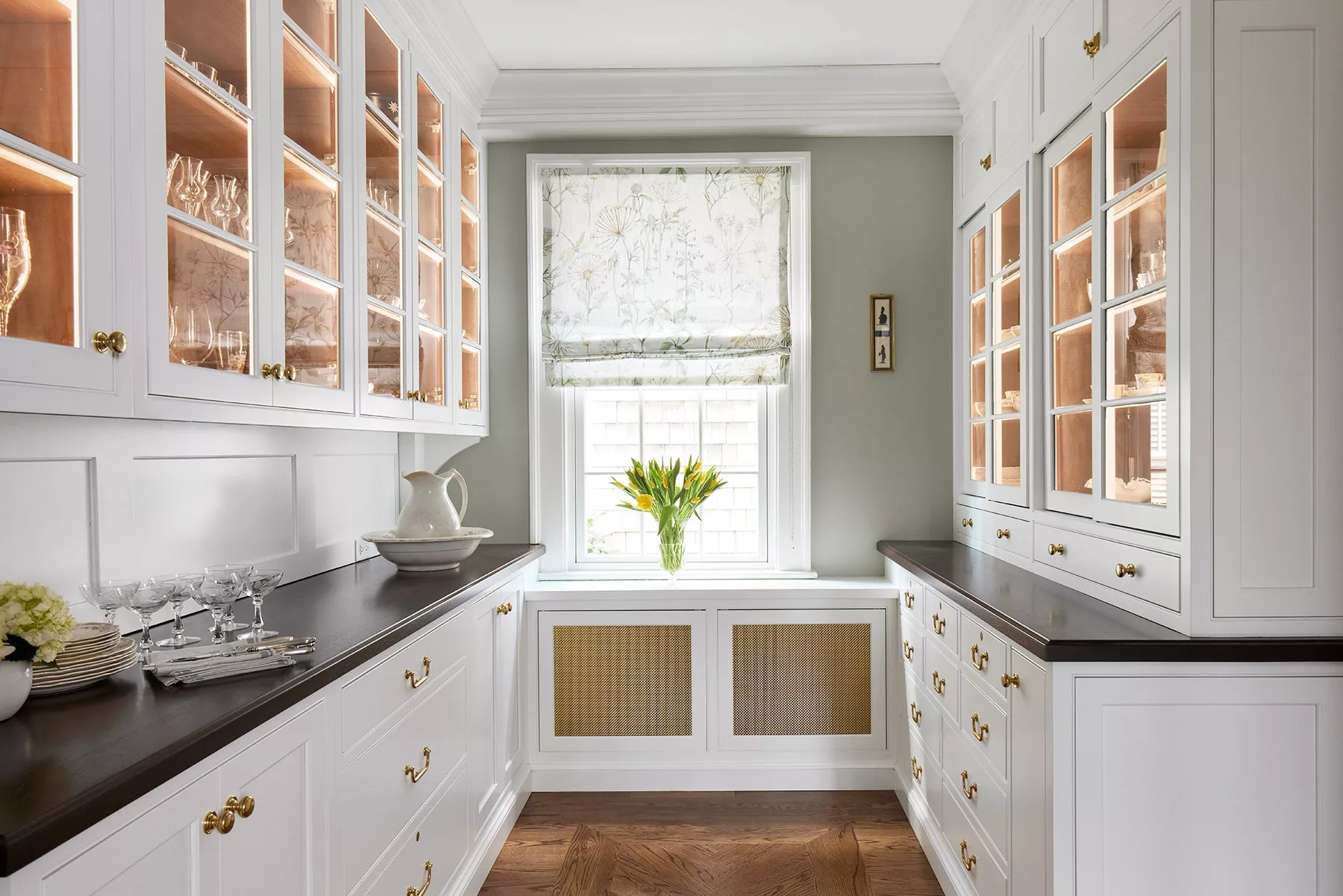
Choosing to invest in Custom Cabinetry Design is one of the most effective ways to create a home that feels organized, beautiful, and uniquely suited to the way you live. Unlike prefabricated cabinets, custom cabinetry tailors every detail—dimensions, finishes, storage features, and layout—to your exact needs. Whether you’re remodeling a kitchen, upgrading a bathroom, optimizing a closet, or designing whole-home storage, custom cabinetry ensures every inch of space works efficiently and reflects your personal style.
Step 1: Identify Your Storage Pain Points
Every homeowner has areas of frustration—overstuffed drawers, unreachable shelves, lack of pantry space, or bathrooms with nowhere to store essentials. The custom cabinetry process begins with evaluating how you use your current space. Designers ask questions like:
• What items need easier access?
• Which cabinets or drawers do you struggle with now?
• What storage ideas have inspired you?
This assessment lays the foundation for cabinetry designed around your daily routines and priorities.
Step 2: Choose Styles That Match Your Home’s Character
Custom cabinet design isn’t just about storage—it’s about style. Door profiles, finishes, and hardware significantly impact your home’s aesthetic. You may prefer:
• Clean-lined slab doors for modern spaces
• Shaker doors for transitional style
• Raised-panel designs for traditional homes
• Textured veneers or matte finishes for a contemporary look
Custom cabinetry allows complete control over color, sheen, and detailing, ensuring that your finished design harmonizes with flooring, countertops, lighting, and architectural features.
Step 3: Explore Functional Upgrades
Behind the doors and drawers, custom cabinetry offers endless organizational enhancements. Popular options include:
• Deep drawers for pots and pans
• Pull-out spice racks
• Vertical dividers for trays and baking sheets
• Corner solutions like Lazy Susans or LeMans shelves
• Hidden trash and recycling systems
• Integrated appliance garages
• Pantry pull-outs and adjustable shelving
Designers tailor each cabinet’s interior to maximize efficiency and keep items logically arranged.
Step 4: Determine the Best Layout for Your Space
A well-designed layout improves workflow—especially in kitchens and bathrooms. Designers consider:
• Traffic patterns
• Countertop work zones
• Appliance proximity
• Available wall height
• Natural lighting
Custom cabinetry allows modifications like extended islands, added pantry towers, expanded vanities, and built-in seating. These layout changes create a more intuitive and comfortable environment.
Step 5: Select High-Quality Materials and Hardware
Durability matters. Custom cabinetry uses superior materials, including hardwoods, furniture-grade plywood, engineered veneers, and soft-close hardware. Designers guide you through choices that balance strength, sustainability, and long-term performance. Soft-close hinges, full-extension drawer glides, and reinforced shelving significantly enhance day-to-day convenience.
Step 6: Visualize the Final Look With Samples and Renderings
Because every detail is custom, designers often provide 3D renderings, finish samples, and door style boards. These tools help you visualize how the cabinetry will look in your home, ensuring confident decisions before fabrication begins.
Step 7: Fabrication and Craftsmanship
Expert craftsmanship sets custom cabinetry apart. Skilled fabricators build each cabinet to exact measurements, ensuring seamless alignment once installed. Precision in cutting, joinery, edge banding, and finishing ensures your cabinetry looks polished and performs well for years.
As homeowners refine their plans, many compare professionals through Custom Cabinetry Designers to evaluate portfolios, explore past projects, and assess design expertise. Experienced designers understand how to blend beauty with function, ensuring your cabinetry enhances both appearance and usability.
Step 8: Professional Installation for a Perfect Fit
Proper installation is critical. Installers ensure cabinets are level, anchored securely, aligned perfectly, and customized to accommodate outlets, plumbing, and appliances. A precise installation protects your investment and ensures smooth operation of every door and drawer.
Step 9: Expand Custom Cabinetry Beyond the Kitchen
Custom cabinetry can elevate:
• Bathrooms (vanities, linen towers, medicine cabinets)
• Closets and dressing rooms
• Home offices
• Laundry rooms
• Family rooms and entertainment walls
• Mudrooms and entryways
• Garage storage systems
The result is a home that feels more organized, cohesive, and tailored to your lifestyle.
Step 10: Review Maintenance Tips for Longevity
Custom cabinetry is built to last. Routine maintenance includes gentle cleaning, occasional hinge adjustments, and proper care of specialty finishes. Designers provide specific care recommendations based on your chosen materials.
As you compare options, browsing listings from American business leaders can help you identify reputable designers and cabinetry specialists known for quality craftsmanship, customer service, and innovative design. This research supports confident hiring decisions and ensures your cabinetry project is in skilled hands.
Custom cabinetry is more than storage—it’s an investment in comfort, efficiency, and personalized style. With the right design team guiding you through every step, you can create beautiful, functional spaces that elevate your home for years to come.
If you’re ready to begin, start by gathering inspiration, outlining your storage goals, and scheduling consultations with custom cabinetry designers who can bring your vision to life with precision and creativity.